A Farewell in Baghdad

In April 1863, crowds of men and women, young and old, gathered along the road leading to the banks of the River Tigris in Baghdad to bid a tearful farewell to One Who had become their friend, their comforter and their guide.
Mírzá Ḥusayn-ʻAlí — known as Baháʼuʼlláh — was being banished from their midst. As a prominent follower of the Báb, whose teachings had swept through Persia two decades earlier, Baháʼuʼlláh had forfeited the privileged life into which He had been born, choosing instead a path of imprisonment and exile.
Yet despair would soon give way to hope. Before leaving Baghdad, Baháʼuʼlláh announced to His companions what many had already suspected — that He was the great Divine Educator foretold by the Báb, ushering in a new era in which the tyrannies of the past would yield to a world of peace and justice, founded on the oneness of humankind.
Early Life
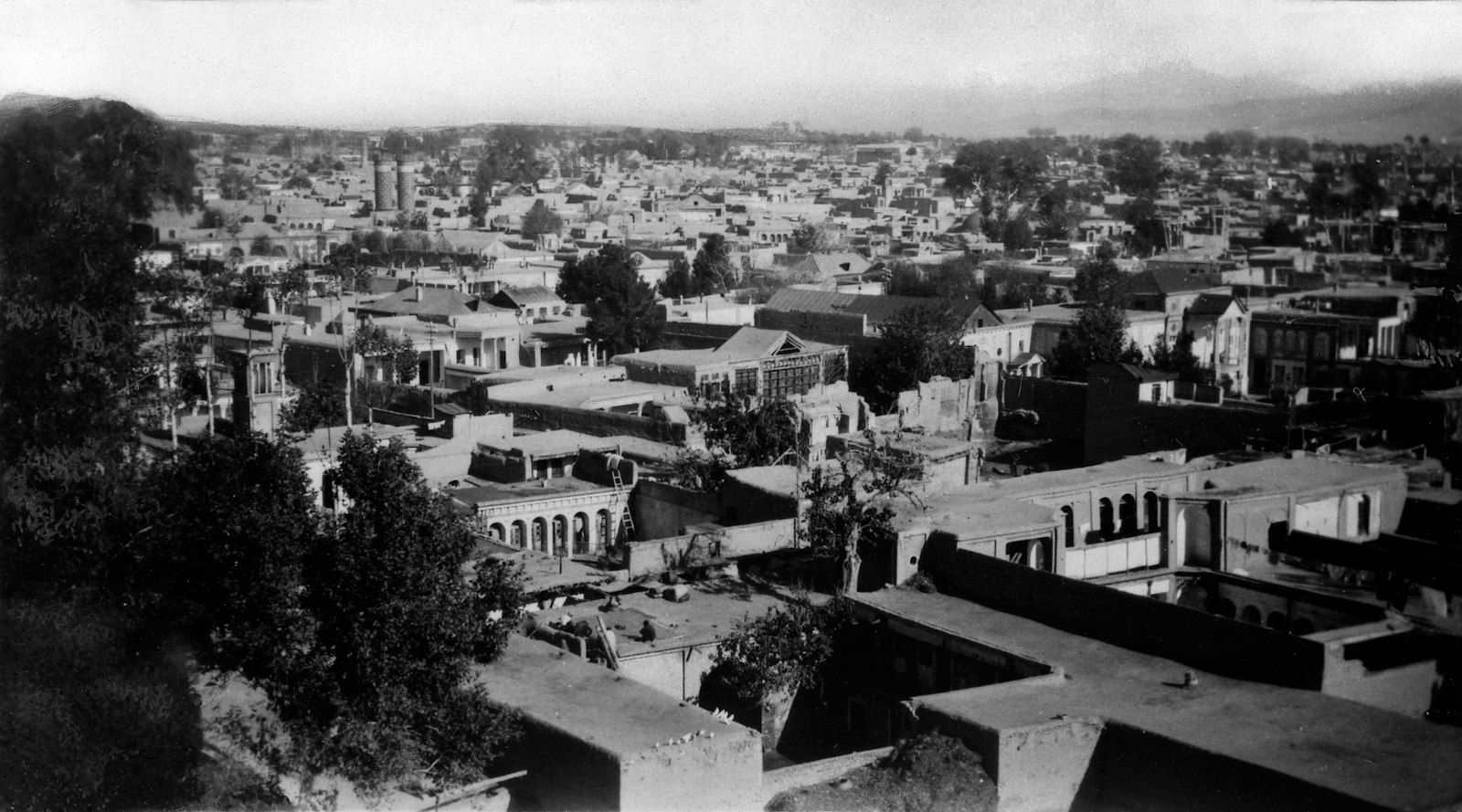
Mírzá Ḥusayn-ʻAlí was born in Tehran on 12 November 1817 into a family of government ministers and courtiers, and enjoyed all the advantages that noble birth could offer. From an early age He showed remarkable knowledge and wisdom, yet as a young man He declined the government career His father had followed, devoting His energy instead to the care of the poor and the defence of the weak.
In 1844 He heard of the message of the Báb — a young merchant of Shiraz who proclaimed Himself the Herald of a new revelation from God. Although the two never met in person, Mírzá Ḥusayn-ʻAlí at once declared His wholehearted belief and devoted all His influence to spreading the new Faith.
At the gathering of the Bábʼs followers at Badasht in 1848, He played a central role in affirming the independent character of the new religion. From that time He was known as Baháʼuʼlláh — “the Glory of God” in Arabic. As the community grew, persecution intensified: thousands of Bábís were killed, and in 1850 the Báb Himself was publicly executed in Tabríz.
Revelation in the Black Pit

In 1852, after a crazed attempt on the life of the Shah by a few misguided Bábís, Baháʼuʼlláh was falsely accused of complicity. Far from fleeing, He set out to face His accusers, and was marched barefoot and in chains through the crowded streets to a notorious subterranean dungeon known as the Síyáh-Chál — the “Black Pit”.
The dungeon had once been a reservoir for a public bath. In its cold, foul air, prisoners lay fastened together by chains so heavy that their mark remained on Baháʼuʼlláhʼs body for the rest of His life.
It was in this grim setting that the most momentous of spiritual events took place: a mortal man, outwardly human in every respect, was chosen by God to bring a new message to humanity. Of those days Baháʼuʼlláh later wrote that even amid the weight of the chains and the stench-filled air, in rare moments of slumber He felt something flow over Him like a mighty torrent — and His tongue recited what no ordinary man could bear to hear.
Exile in Baghdad
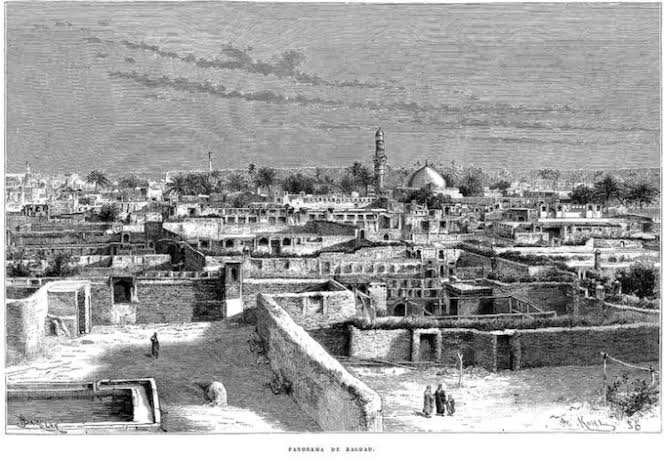
After four months of suffering, Baháʼuʼlláh — ill and exhausted — was released and banished forever from His native land. He and His family were sent to Baghdad in the Ottoman Empire. There, the dispirited remnants of the Bábí community turned increasingly to Him: His nobility of character, the wisdom of His counsel and His kindness revived the broken-hearted exiles.
His growing prominence stirred the jealousy of His ambitious half-brother, Mírzá Yaḥyá, who spread suspicion and doubt among the believers. Rather than be a cause of strife, Baháʼuʼlláh withdrew to the mountains of Kurdistan, where He lived for two years in solitude — a period recalling Moses on Sinai, Christ in the wilderness and Muhammad in the Arabian hills. Even there His fame spread, until a mission was sent to beg Him to return.
Back in Baghdad He reinvigorated the community and His renown spread still further. Among the celebrated works He composed there were the Hidden Words, the Seven Valleys and the Book of Certitude (Kitáb-i-Íqán). When pressure from hostile clergy persuaded the authorities to remove Him yet further from Persia, a second banishment was decreed.
The Declaration in the Garden of Ridván
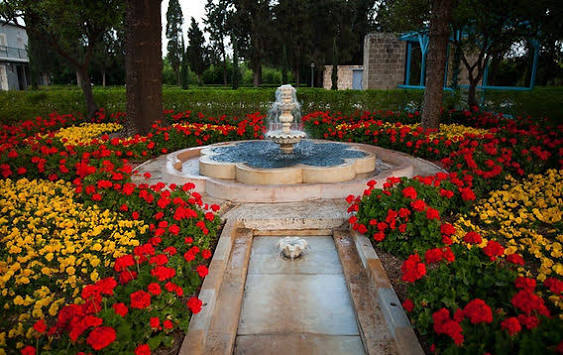
At the end of April 1863, shortly before leaving Baghdad for Constantinople, Baháʼuʼlláh and His companions spent twelve days in a garden which He named Ridván — “Paradise”. There, on the banks of the Tigris, He declared Himself to be the One promised by the Báb: Godʼs Messenger for the age of humanityʼs collective maturity, foretold in the scriptures of all religions.
The “Divine Springtime”, He proclaimed, had arrived. Those twelve days — 21 April to 2 May — are celebrated by Baháʼís throughout the world as the Festival of Ridván, the holiest days of the Baháʼí year.
Adrianople and the Proclamation to the Rulers
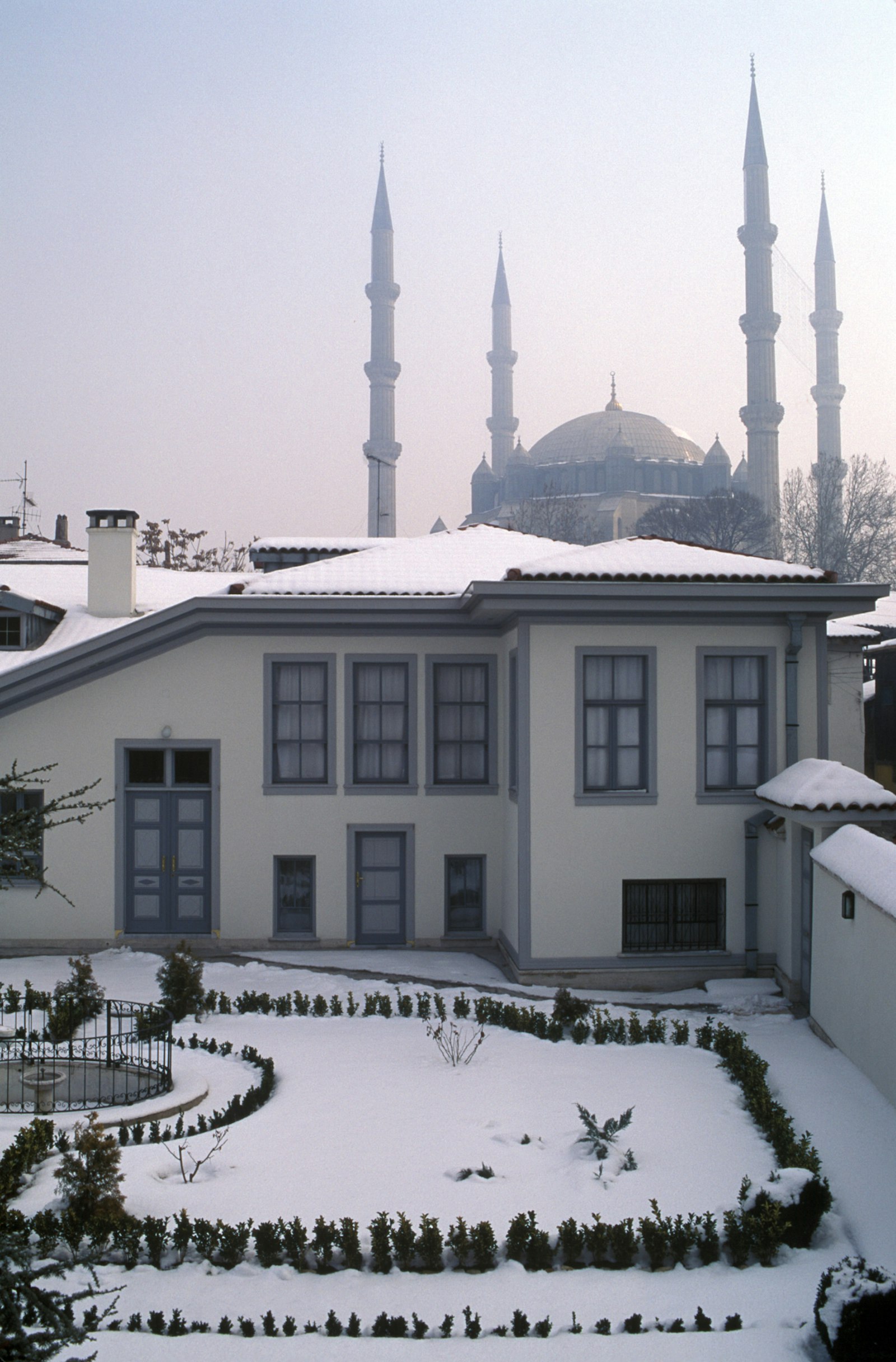
Three months after leaving Baghdad, the exiles reached Constantinople — only to be banished again within months to Edirne (Adrianople) after a gruelling winter journey in inadequate shelter. Baháʼuʼlláh called it the “remote prison”. Yet even in these harsh conditions verses continued to flow from His pen, and His message spread as far as Egypt and India.
In Adrianople His jealous half-brother contrived to poison Him — an episode that left Baháʼuʼlláh with a tremor in His hand for the rest of His life. Undeterred, from 1867 onward He wrote a remarkable series of letters to the kings and rulers of the world — announcing the dawn of a new age, warning of coming upheavals, and summoning the leaders to establish justice and convene an assembly to abolish war. His warnings fell largely on deaf ears.
Continued agitation by His detractors led the Ottoman government to banish Him a final time — to its most feared penal colony.
The Prison City of ʻAkká
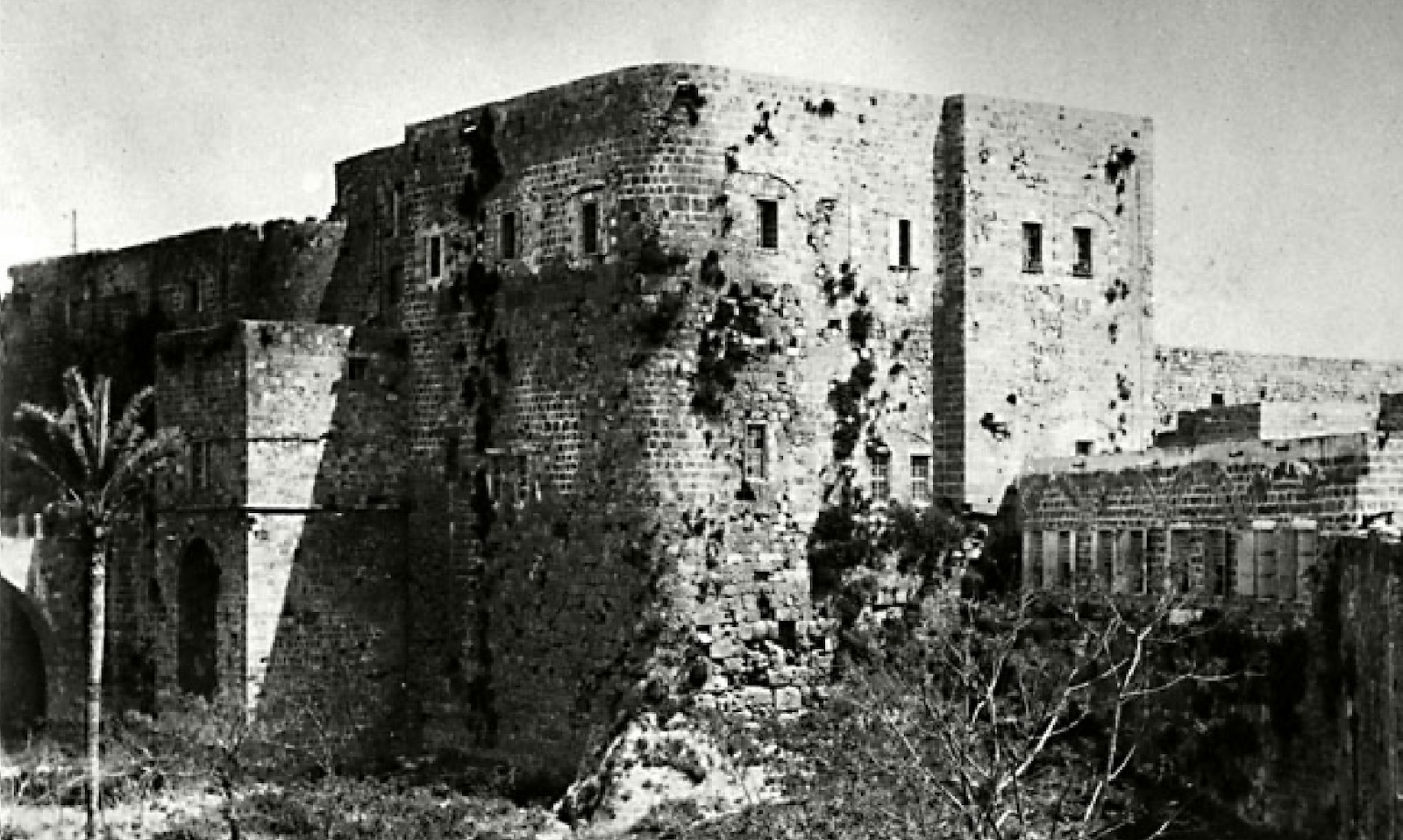
On 31 August 1868 Baháʼuʼlláh arrived at ʻAkká, the fortified prison city on the Mediterranean coast. Confined first in a barracks for more than two years, the exiles were later moved to a cramped house inside the city walls. Little by little the nobility of the Baháʼísʼ conduct — above all that of Baháʼuʼlláhʼs eldest son, ʻAbduʼl-Bahá — softened the hearts of jailers and citizens alike, and won the admiration even of the cityʼs leaders.
In ʻAkká, around 1873, Baháʼuʼlláh revealed His most important work: the Kitáb-i-Aqdas, the Most Holy Book, which sets out the essential laws and principles of His Faith and lays the foundations of its global administrative order.
The Final Years
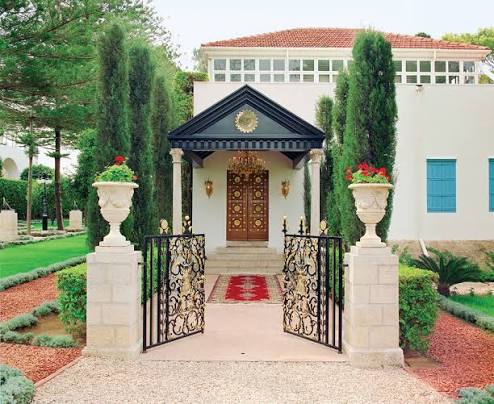
In the late 1870s, though still technically a prisoner, Baháʼuʼlláh was permitted to leave the city walls, and He eventually took up residence in the countryside at the mansions of Mazraʼih and Bahjí, where His followers could visit Him in peace.
In April 1890, the Cambridge orientalist Edward Granville Browne was granted an audience. He wrote afterwards of the unforgettable impression made upon him by Baháʼuʼlláhʼs presence — “power and authority” radiating from One for Whom kings themselves might envy the devotion He inspired.
Baháʼuʼlláh passed away on 29 May 1892. In His will He named ʻAbduʼl-Bahá as His successor and Head of the Faith — the first time in history that the Founder of a world religion had appointed a successor in writing. This provision, at the heart of what Baháʼís call the Covenant of Baháʼuʼlláh, has enabled the Baháʼí community to remain united ever since.